
Retirement insights from a Colorado PERA perspective
Legislature Passes Six PERA-Related Bills During 2026 Session
Legislation & Governance

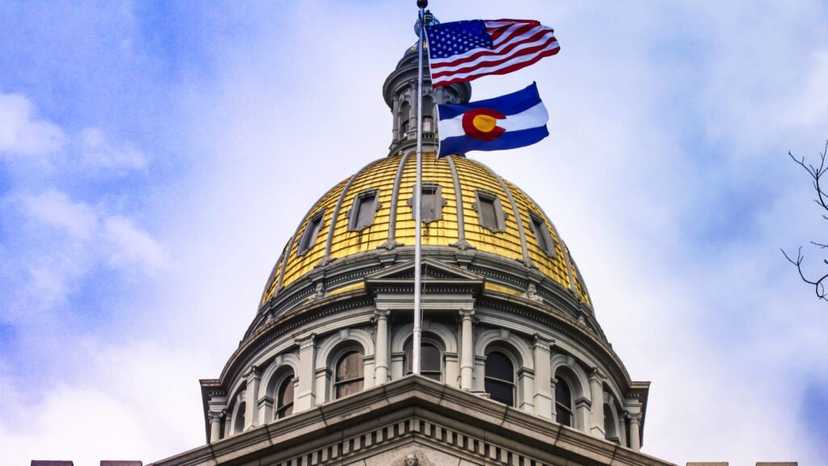
Photo credit: Gregory Valle/Getty Images
May 13, 2026
That’s a wrap on the 2026 legislative session. Over the course of 120 days, legislators introduced and debated more than 600 bills and approved a State budget for the next fiscal year.
Legislators also introduced seven bills and one resolution related to PERA. Of those seven bills, six passed and will become law, pending Governor Polis’ signature. Effective dates for passed bills vary and current law applies until the bills take effect.
For regular updates on legislation and other important topics, sign up for the biweekly PERA On The Issues newsletter.
Approved bills
- House Bill 1026: Expanding Plan Options for PERA – Makes changes to PERA provisions related to purchasing service credit and PERA’s 401(k) and 457(b) plans. Under current law, PERA members can purchase service credit based on previous periods of employment; this bill allows for limited purchases of service credit for periods of unemployment. The bill also requires all PERA-affiliated employers to offer the PERAPlus 401(k) and 457(b) plans, in both pre-tax and Roth options, to their employees.
- House Bill 1027: BOCES Definition & Executive Director – Under current state law, certain PERA retirees are allowed to return to work for a PERA-affiliated employer without facing a reduction in their PERA benefit. This bill adds executive directors of boards of cooperative services (BOCES) to the list of approved retirees.
- House Bill 1146: Allow Approved Facility Schools Participate in Public Employees’ Retirement Association – Allows approved facility schools—programs that serve students with behavioral issues and other special needs—to apply for affiliation with PERA to provide retirement benefits to their employees.
- House Bill 1400: Adjust Public Employees’ Retirement Association’s Allocations to Trust Funds – Gives PERA flexibility to allocate the State’s annual $225 million direct distribution to whichever division trust funds would help minimize the likelihood of triggering the Automatic Adjustment Provision, as well as redirect a portion of employers’ health care trust fund contributions to instead help pay off pension liabilities. Learn more about this bill.
- Senate Bill 023: School Finance Act – The primary purpose of this bill is to establish public school funding for the 2026-2027 budget. It also adds vice principals, assistant principals, and assistant superintendents to the list of positions eligible to work after retirement without limits under the “critical shortage” designation.
- Senate Bill 151: Modify Public Employees Retirement Association Allowed Affiliation and Board of Trustees – Expands PERA membership to include employees of DSST chartered under Denver Public Schools, which had previously been exempt from membership as part of the legislation authorizing the merger of Denver Public Schools Retirement System and PERA effective January 1, 2010, and also makes the ex officio Trustee from the Denver Public Schools Division a voting member of the PERA Board.
MORE: 2026 Proposed PERA-Related Legislation Status
House Bill 1062, which would have removed the cap on state income tax deductions for pensions and other annuity income, failed to make it out of committee.
In addition to the aforementioned PERA-related bills, the Legislature passed Senate Joint Resolution 016, which recognizes the importance of retirement security, encourages workers to seek out financial education to improve their retirement readiness, and highlights the importance of lifetime income options in the PERA Defined Contribution Plan and PERAPlus 401(k)/457 Plans.
Legislators also passed House Bill 1331, which suspends interim committee activity for 2026. That means legislative committees that typically meet in between sessions—such as the Pension Review Commission and Pension Review Subcommittee—will not meet this year.
Next steps
For any bills the Governor has not yet signed, he has 30 days after the session ends to take action. If the Governor doesn’t sign or veto a bill, it will automatically become law after the 30 days.
FILE UNDER
Related Posts

Subscribe to PERA On The Issues
Stay informed by subscribing to our newsletter. Youʹll receive one email every two weeks that contains a summary of all the latest news.